Why Antique Persian Rugs Are Highly Sought After in the U.S. Market
Antique Persian rugs have long captivated collectors, designers, and homeowners in the United States. Their enduring popularity stems from a combination of artistry, history, and investment potential. From the intricate handwoven patterns to the rich cultural heritage embedded in each piece, Persian rugs offer far more than mere decoration. As interior design trends evolve, these rugs continue to hold a unique place in American homes, admired for their elegance, durability, and timeless appeal. Their ability to complement both traditional and contemporary spaces has helped sustain their relevance across generations. For many buyers, owning an antique Persian rug represents an appreciation for craftsmanship and a connection to a centuries-old artistic tradition.
What Makes Antique Persian Rugs So Valuable?
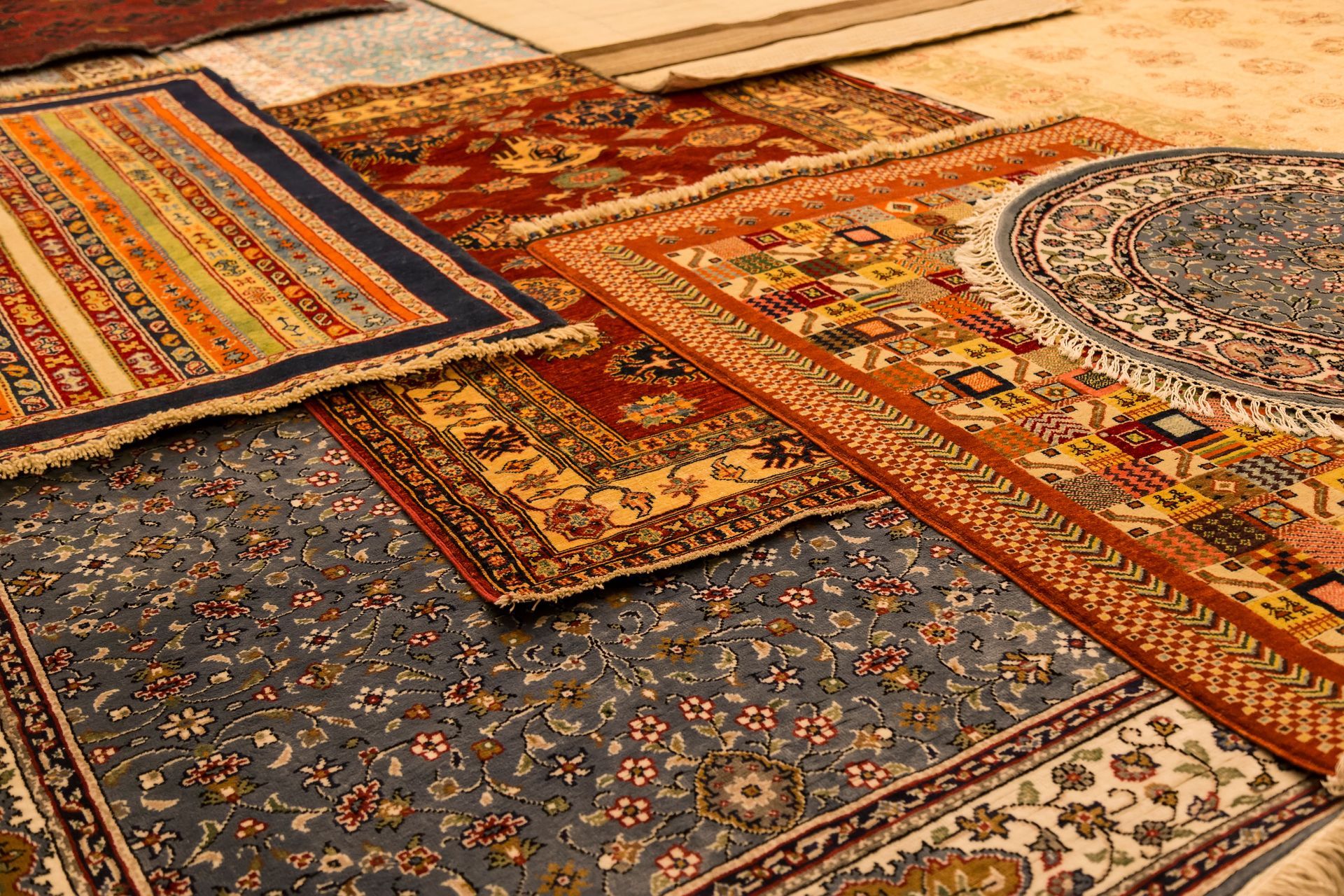
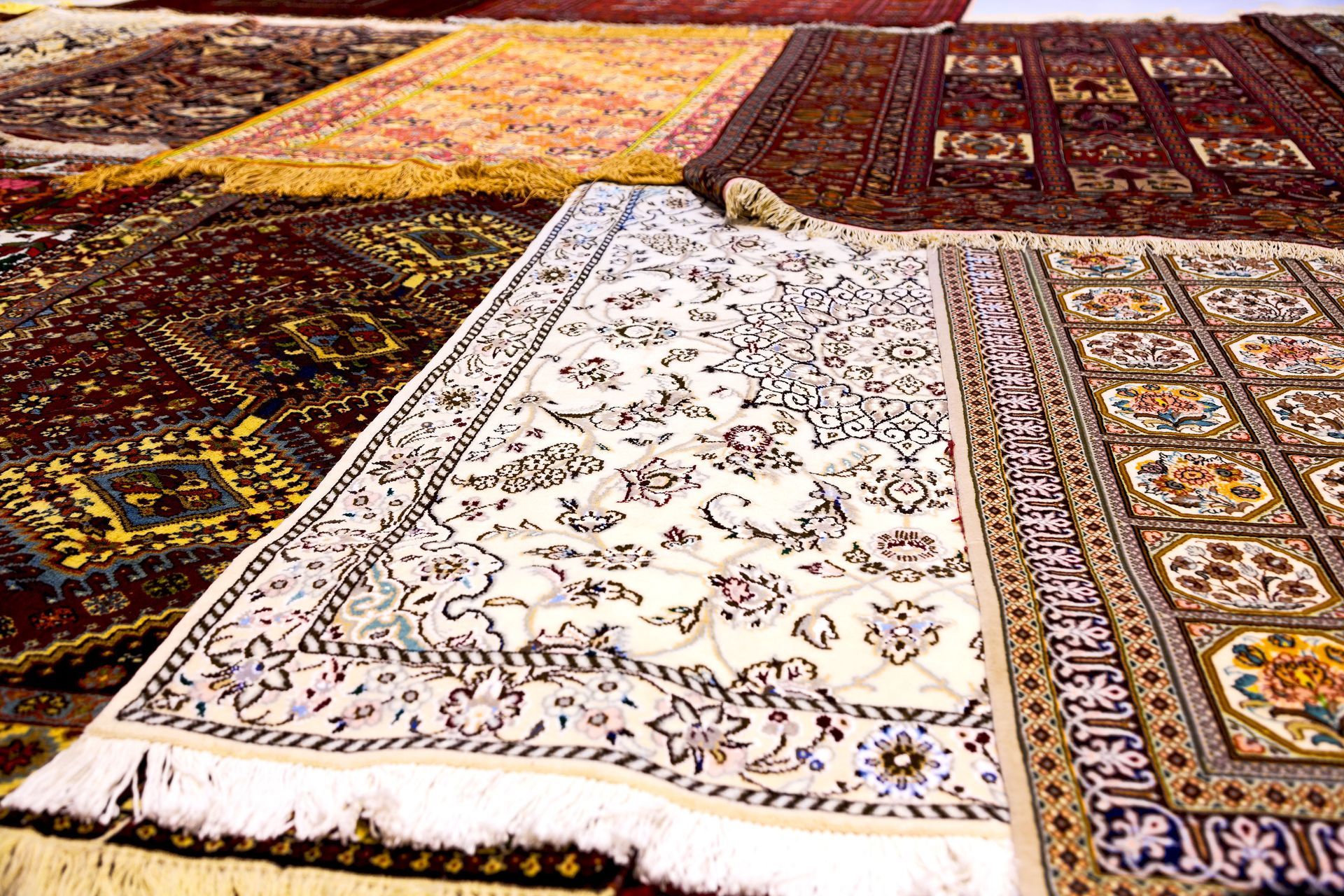
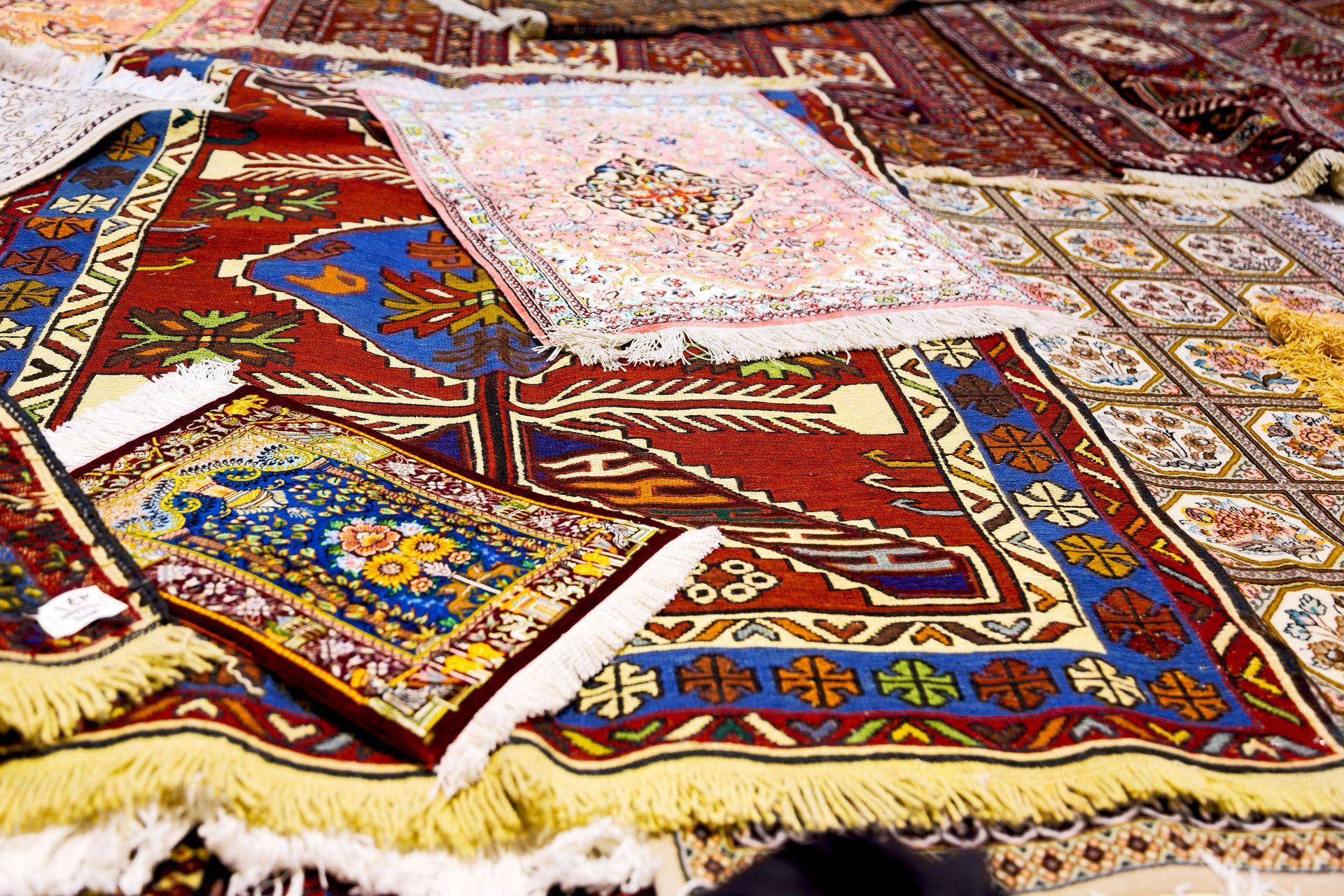
The value of antique Persian rugs lies in a blend of craftsmanship, materials, and historical significance. Each rug represents hours, and often months, of meticulous handwork performed by skilled artisans. Fibers are carefully knotted by hand to create intricate designs that may feature floral motifs, geometric patterns, or symbolic imagery rooted in tradition. Unlike machine-made rugs, these handcrafted creations display subtle irregularities in weave and pattern that highlight their authenticity and the human skill behind their creation.
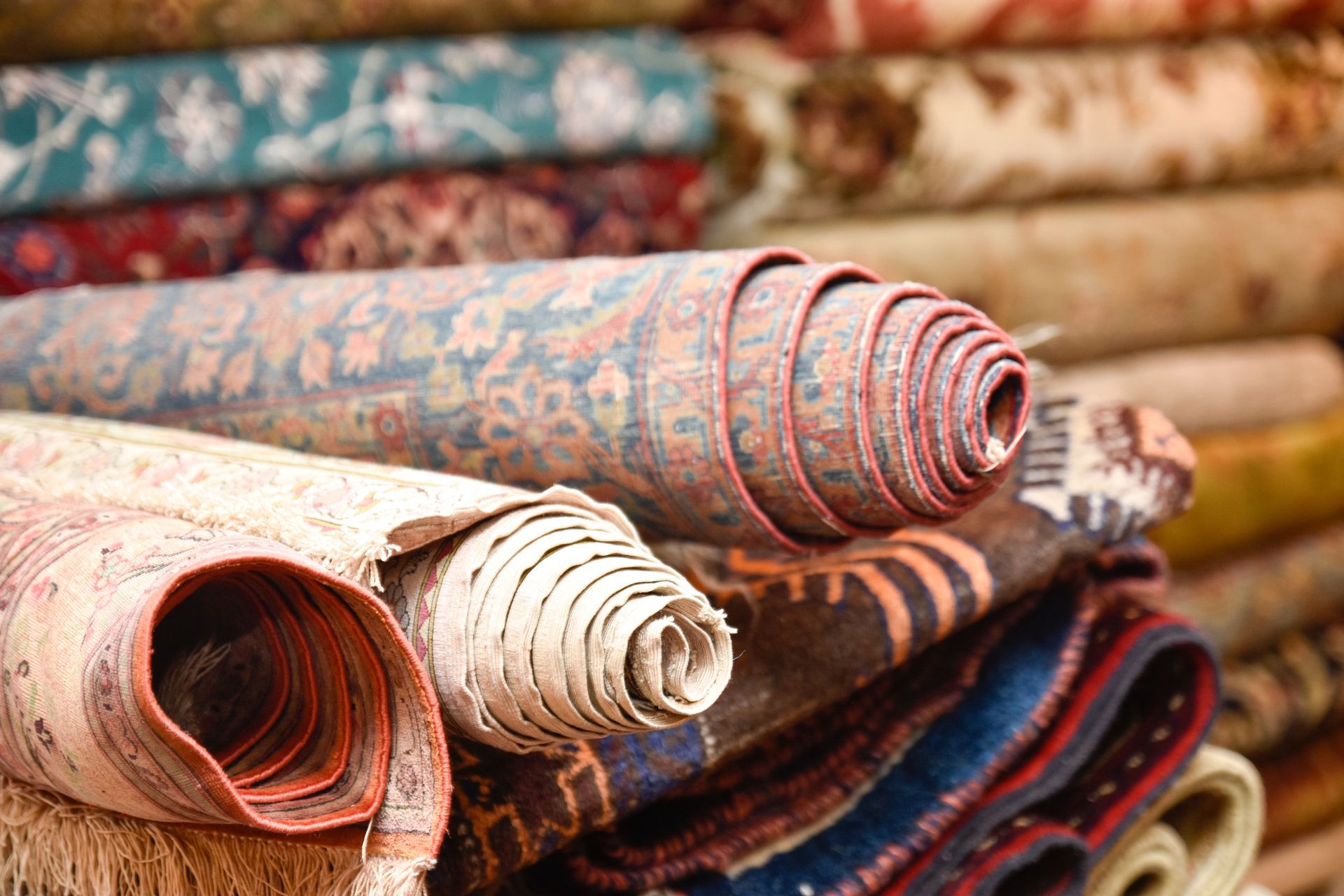
Materials play a key role in determining overall value and longevity. Persian rugs are commonly made with high-quality wool, silk, or a combination of both, resulting in a luxurious texture and impressive durability. The use of natural dyes derived from plants, roots, and minerals produces rich, layered colors that age gracefully and often become more visually appealing over time. This careful selection of materials, paired with traditional hand-knotting techniques, is a major reason antique Persian rugs continue to command premium prices in the market.
Historical significance further elevates their appeal and worth. Many rugs carry stories tied to the regions where they were woven, reflecting local customs, cultural influences, and long-standing design philosophies. These regional characteristics allow collectors to identify origins and time periods, adding depth and meaning to each piece. This strong connection to history resonates with collectors and enthusiasts alike, enhancing both the aesthetic value and long-term monetary potential of antique Persian rugs.
How Do You Determine the Authenticity of a Persian Rug?
Authenticity is critical when purchasing Persian rugs, as strong demand has also led to a rise in imitation products entering the market. Several factors help buyers distinguish genuine Persian rugs from reproductions, starting with close inspection of materials. Authentic rugs are typically crafted from natural fibers like wool or silk, while fakes often rely on synthetic alternatives that feel less supple. The texture of the fiber, the warmth of the wool, and the subtle sheen of silk threads can offer important clues when handled in person.
Provenance is another essential element in confirming authenticity. Many antique rugs come with documentation or records that trace their origin, age, and previous ownership, providing valuable context and reassurance for buyers. Knowing the rug’s history not only helps verify that it is genuine but can also significantly increase its value, particularly for pieces over 100 years old. According to the Oklahoman, the U.S. has a robust market for antique Persian rugs, especially those over a century old, reflecting sustained demand among collectors and interior enthusiasts.
The design and knotting technique also provide meaningful insight into authenticity. Persian rugs are renowned for their dense knots, balanced compositions, and intricate patterns that require advanced skill to execute. Counting knots per square inch and examining overall symmetry can help verify craftsmanship and regional origin. Finally, subtle irregularities in design, color, and weave often indicate a handwoven, authentic rug, as opposed to a machine-made imitation that appears overly uniform or flawless.
Why Are Persian Rugs Considered an Investment?
Beyond their decorative appeal, antique Persian rugs are increasingly recognized as a sound investment. Their rarity and timeless value mean that many pieces appreciate over time. Unlike mass-produced home furnishings that depreciate quickly, Persian rugs maintain—and often increase—their worth with age, especially when well cared for.
Investors often focus on pieces with historical significance or exceptional craftsmanship. Limited production, the fineness of knots, and the quality of materials all contribute to long-term value. Additionally, shifts in design trends can influence market prices, making certain styles or color palettes more desirable at different times.
Moreover, Persian rugs offer a tangible asset in an often volatile market. They combine beauty, utility, and financial potential, appealing to collectors who appreciate both aesthetic and investment opportunities. In a landscape where traditional investment options may fluctuate, these rugs provide a stable and culturally rich asset that continues to attract American buyers.
What Historical Context Adds to the Appeal of Persian Rugs?
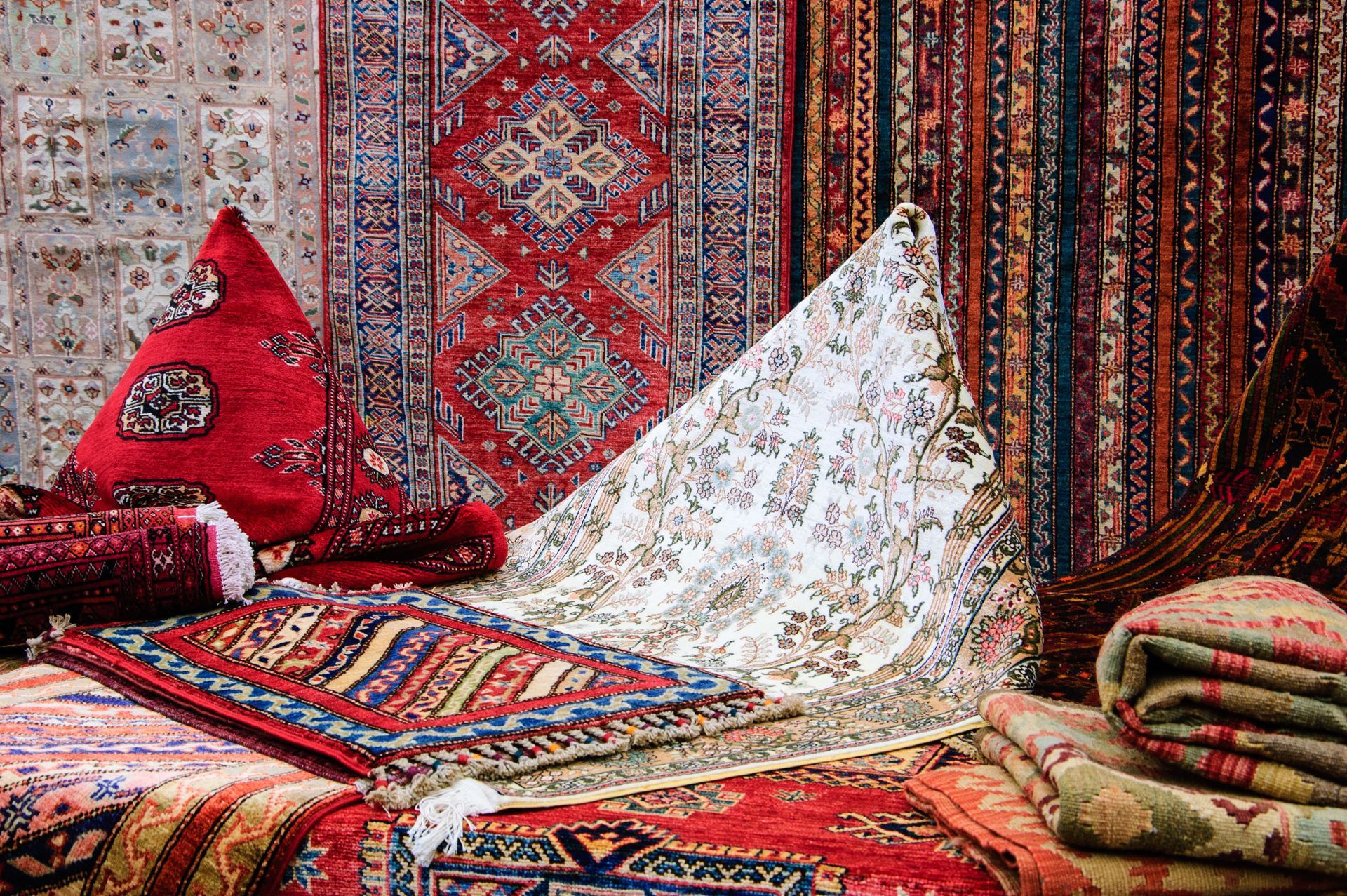
The history of Persian rugs stretches back centuries, embedding each piece with cultural and artistic significance. Traditionally, rug weaving was not only a craft but also a form of storytelling, with artisans using color, pattern, and symbolism to convey meaning. Motifs often represent local legends, religious symbolism, or regional identity, turning each rug into a narrative canvas that reflects the values and experiences of the communities where it was created.
The historical context also contributes to the rarity and value of antique Persian rugs. Certain weaving techniques, designs, or dyes may be associated with specific eras or regions, making older rugs more desirable to collectors who seek authenticity and distinction. Many antique pieces were created in workshops with centuries-old traditions, where skills and patterns were passed down through generations, preserving techniques that are difficult to replicate today.
This deep cultural heritage resonates strongly in the U.S. market, where collectors value the combination of beauty, craftsmanship, and storytelling. Beyond their decorative appeal, these rugs are appreciated as cultural artifacts that carry historical meaning. Each rug serves as a tangible connection to the past, allowing owners to preserve and showcase a piece of world history within their homes.
How Have Interior Design Trends Influenced the Demand for Persian Rugs?
Contemporary interior design trends have also played a role in the sustained demand for Persian rugs. Their versatility allows them to complement a wide range of styles, from modern minimalism to classic, traditional interiors. Designers often use Persian rugs as a statement piece, layering them with furniture and décor to create warmth and texture in a room.
Neutral tones, intricate patterns, and vibrant colors make these rugs adaptable to changing aesthetic preferences. White, cream, and muted palettes have gained popularity for interior spaces, enhancing the appeal of antique Persian rugs in these shades. Their ability to blend seamlessly with modern furnishings while retaining a sense of timeless elegance makes them a favorite among designers and homeowners alike.
Additionally, Persian rugs offer functional benefits. Their thick pile and high-quality fibers provide comfort, insulation, and durability. This combination of practicality and beauty ensures that they remain a staple in U.S. homes, appealing not only to collectors but also to those seeking long-lasting home décor that elevates the overall design.
Antique
Persian rugs remain highly sought after in the U.S. market due to their unmatched craftsmanship, historical significance, and investment potential. From the meticulous hand-knotting techniques to the rich cultural narratives embedded in their designs, these rugs offer far more than aesthetic beauty. Their enduring appeal is strengthened by interior design trends that value both functionality and timeless elegance. As both an artistic treasure and a financial asset, Persian rugs continue to captivate collectors, designers, and homeowners, preserving a legacy that spans centuries. If you're looking for a beautiful Persian rug, reach out to Persian Rug Company today!
Share On: