Low vs. High Knot Count: What You Need to Know Before Buying a Persian Rug
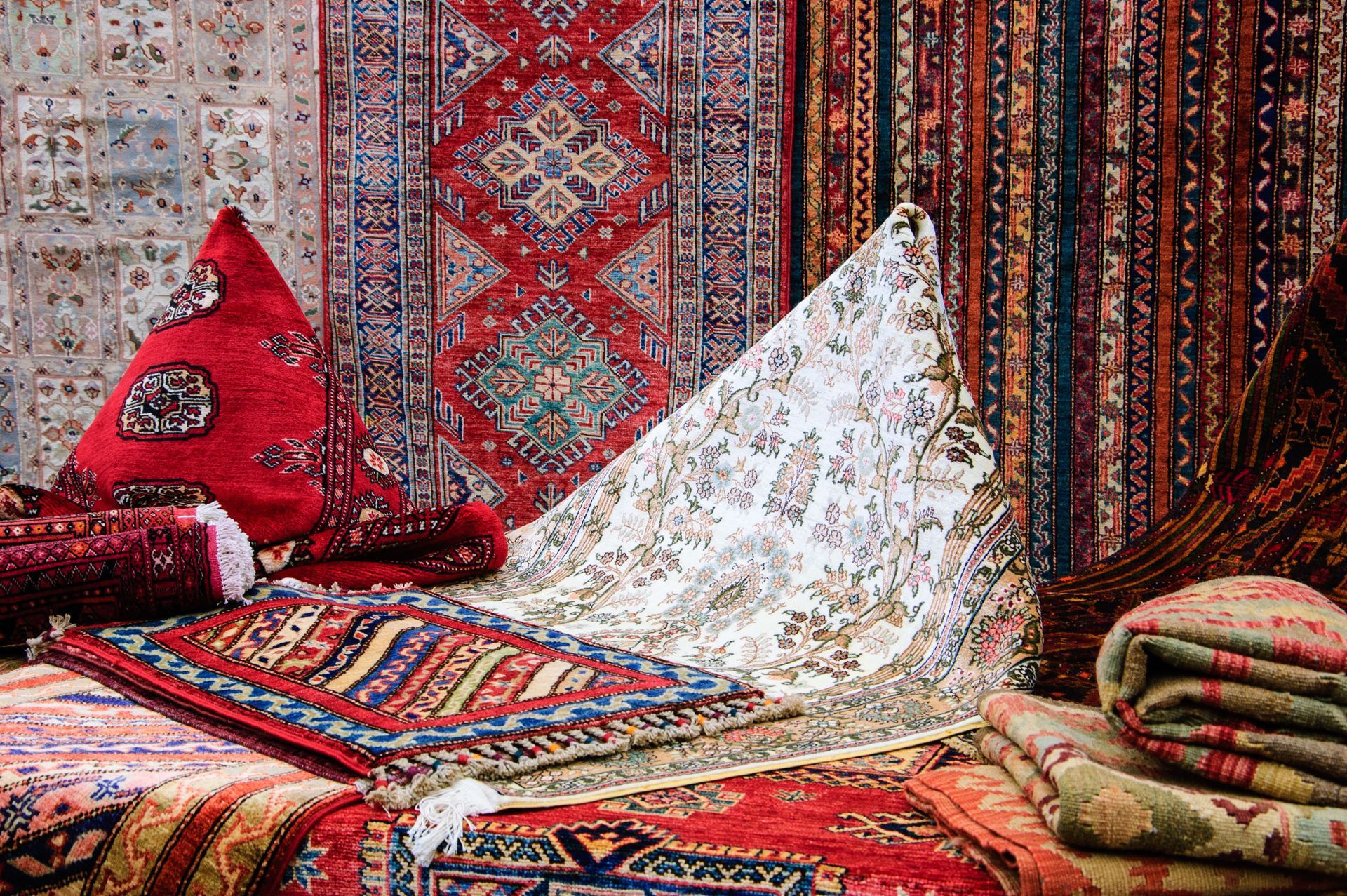
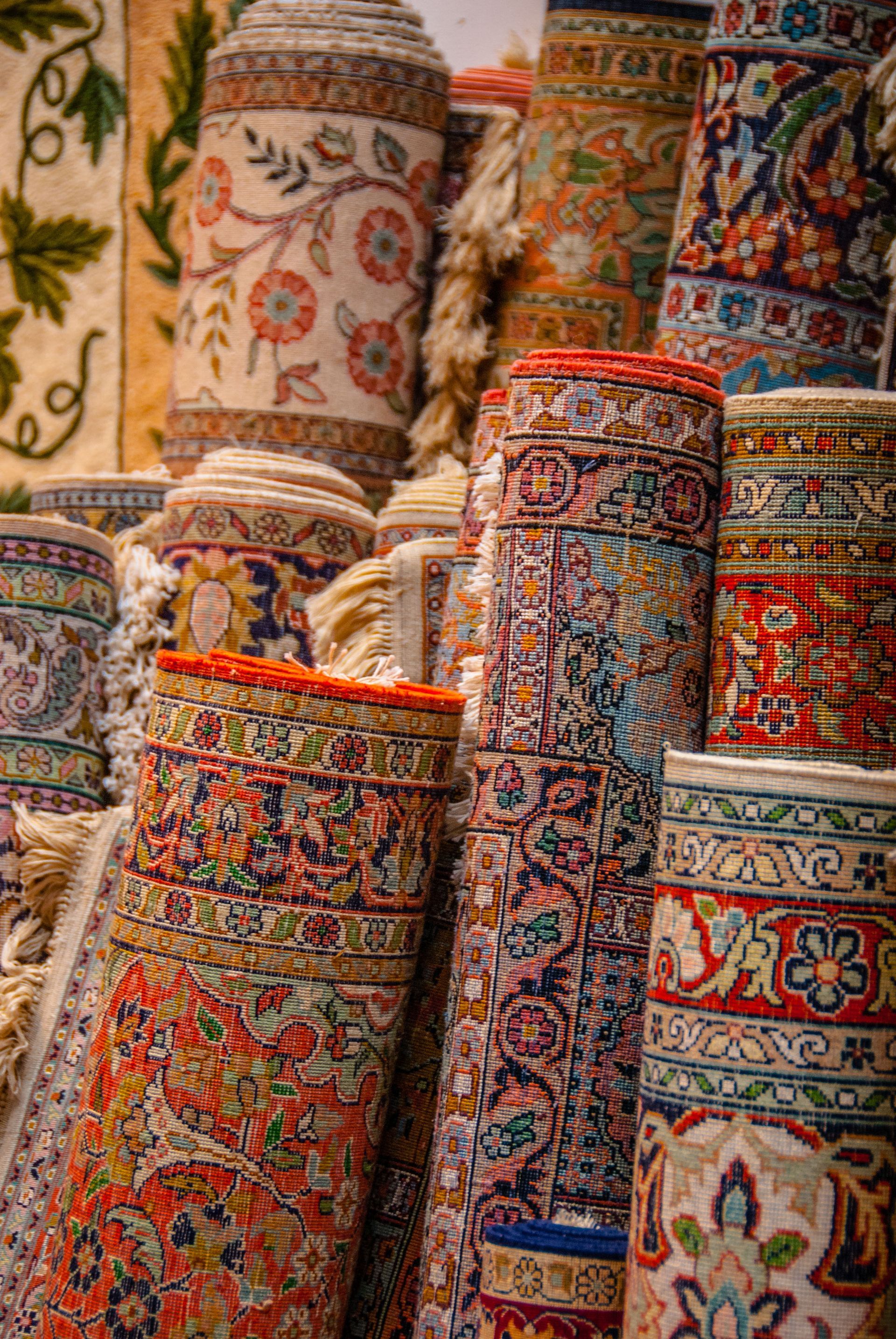
Choosing the perfect rug can feel like a major decision, especially when you're drawn to the beauty, tradition, and craftsmanship found in Persian rugs. Their vibrant colors, intricate patterns, and rich cultural history make them one of the most sought-after textiles in the world. Whether you're furnishing a living room, adding warmth to a bedroom, or searching for a statement piece to elevate your entire home, a Persian rug brings unmatched depth and personality. Yet one factor often causes confusion among buyers: knot count.
Knot count, sometimes referred to as KPSI (knots per square inch), is one of the most frequently mentioned elements of rug quality. Many buyers assume that a higher knot count automatically means a better rug, but the truth is more nuanced. The decision between low vs. high knot count depends on craftsmanship, durability, artistic intention, and personal preference. Understanding these differences can help you purchase a rug that reflects both your aesthetic taste and your long-term expectations. In this guide, you'll learn why knot count matters, how it influences value, and what to look for before making a purchase.
Before diving in, it's worth noting that Persian rugs hold a uniquely strong place in the American market. According to the Oklahoman, the United States has a strong market for antique Persian rugs, especially those over 100 years old. Whether you're buying new or antique, the knot count is one of several features that determines authenticity and quality.
Understanding Knot Count and Its Role in Rug Craftsmanship
Knot count refers to the number of knots woven into a square inch of rug material. These knots are tied individually by hand in traditional weaving practices, which means the number can vary widely depending on the weaver, the region, and the design. In our experience, knot counts can range from fewer than 80 knots per square inch to more than 1,000 in highly detailed pieces.
While higher knot counts are often associated with more refined patterns, it's not a universal measure of quality. Instead, knot count is better viewed as an indicator of intricacy. Certain artistic styles, especially those inspired by tribal or village traditions, intentionally use lower knot counts to create bold, geometric designs. In these cases, a lower knot count doesn't reflect lower quality—it reflects the rug maker's stylistic intention.
Understanding these differences helps buyers avoid assumptions and instead appreciate the variety found across Persian rugs. A rug's value comes from more than just one number. Materials, dyes, pattern complexity, and origin all play major roles as well.
Evaluating Low Knot Count Rugs and Their Traditional Appeal
In our experience, low knot count rugs typically feature between 80 and 160 knots per square inch. These rugs are often produced by nomadic or tribal weavers who prioritize practicality and cultural tradition in their designs. Because of the lower density, the patterns tend to be bold, with geometric shapes and strong lines taking center stage.
One of the major advantages of lower knot count designs is durability. Since these rugs are made with thicker yarns and simpler weave structures, they can endure heavy use without wearing down prematurely. That's why many homeowners choose these styles for high-traffic areas such as family rooms, kitchens, or entryways.
Another important benefit is the aesthetics. Low knot count rugs typically showcase deep cultural symbolism through patterns that have been passed down for generations. Many people prefer the rustic charm and authenticity that these styles provide. These rugs are also easier to clean, making them practical for families or households with pets.
Additionally, because they require fewer knots and therefore less weaving time, low knot count pieces are often more affordable. But that doesn't diminish their value. Many tribal rugs are highly collectible and grow more desirable over time. For buyers seeking a rug with warmth, heritage, and strong visual impact, low knot count Persian rugs offer a perfect combination of style and functionality.
Exploring High Knot Count Rugs and Their Artful Precision
High knot count rugs, generally defined as those with 250 or more knots per square inch in our experience, are known for their incredible precision and refined detail. With more knots packed into every inch, weavers can create intricate floral motifs, curved patterns, and delicate borders that simply aren't possible with lower knot counts.
These rugs are exceptionally labor-intensive. Some can take years to complete, especially if crafted in renowned weaving regions such as Isfahan, Qum, or Tabriz. The time investment, along with the skill required, contributes to their elevated price.
High knot count rugs are ideal for buyers who love detailed artwork. The patterns can feel almost painterly, with gradients and shading that mimic brushstrokes. Because of their intricacy, these rugs are often displayed as centerpieces in formal living rooms, libraries, or master bedrooms where their craftsmanship can be appreciated up close.
It's also important to understand that while high knot count rugs are delicate in design, they are still durable. The tight weave provides strength, ensuring these rugs last for generations. Their beauty, longevity, and artistic value make them highly prized among collectors and interior designers alike.
Considering the Key Differences That Influence Your Buying Decision
When comparing low vs. high knot count rugs, one of the first differences to consider is the visual effect. Low knot count rugs emphasize shapes, symmetry, and bold forms. High knot count rugs highlight detail, precision, and fluid patterns. Your personal style preferences should guide your decision, as both types offer unique aesthetic value.
Price is another major difference. High knot count pieces typically cost more due to the hours of labor required to weave thousands of tiny knots by hand. If budget is a primary concern, a low knot count rug is still an excellent choice and provides long-lasting quality.
Texture is another factor. Low knot count rugs often feel thicker and more textured underfoot, making them perfect for warm, welcoming environments. High knot count rugs tend to feel smoother and silkier. If you want a rug that doubles as a tactile luxury, the higher knot count may be the better option.
Maintenance needs can also vary. Lower knot count rugs are usually easier to clean due to the larger, looser knots. Higher knot count rugs may require more delicate care to preserve their pattern detail and fiber structure.
Ultimately, both types of Persian rugs provide remarkable craftsmanship. Choosing between them is less about finding the “best” option and more about understanding what fits your lifestyle, decor, and long-term expectations.
Assessing Longevity, Authenticity, and Overall Value
Regardless of knot count, Persian rugs are designed to last for decades when cared for properly. High knot count rugs offer refined craftsmanship that appeals to art collectors and luxury buyers. Low knot count rugs offer cultural authenticity and durability rooted in tradition. Both hold value and can even appreciate over time, depending on their origin and condition.
Authenticity is another important consideration. Genuine Persian rugs are made by hand, using time-honored weaving techniques passed down through generations. Machine-made rugs may advertise high knot counts, but they lack the character, resilience, and investment value of handwoven pieces.
To evaluate authenticity, look for irregularities—slight variations in knots, shifts in pattern, or organic color changes caused by natural dyes. These are signs of genuine craftsmanship, not flaws.
Whether you're buying for your home or as a long-term collector's item, choosing a rug with the right features ensures you'll enjoy its beauty and cultural significance for years to come.
Selecting between low and high knot count Persian rugs is a deeply personal decision. Each type offers unique advantages, from the rustic beauty and durability of low knot count rugs to the refined detail and artistic precision found in higher knot count styles. Knot count can influence price, texture, and maintenance needs, but it doesn't determine quality on its own. What matters most is choosing a rug that matches your aesthetic preferences, lifestyle, and long-term goals.
When you're ready to explore handcrafted pieces that balance history, craftsmanship, and beauty, we invite you to reach out. At Persian Rug Company, we can help you find the perfect rug with the design, knot count, and cultural character that best fits your home. Let us guide you in selecting a piece that you'll treasure for years to come.
Share On: